

Article · 12 min read · Written by Dr. Lisa L. Johnson, M.D.
Chronic Pelvic Pain Care in Oak Lawn: What to Discuss
Learn what to expect at a first chronic pelvic pain visit in Oak Lawn, what to bring, what questions may come up, and how next steps are discussed.
If you are wondering what to expect at a first visit for chronic pelvic pain in Oak Lawn, you may have questions about what to share, whether an examination is part of the appointment, and whether you will be asked to choose treatment that day. A first visit is a chance to describe what is happening and discuss a thoughtful next step. You do not need to arrive with a diagnosis or the perfect words.
What is the purpose of a first visit?
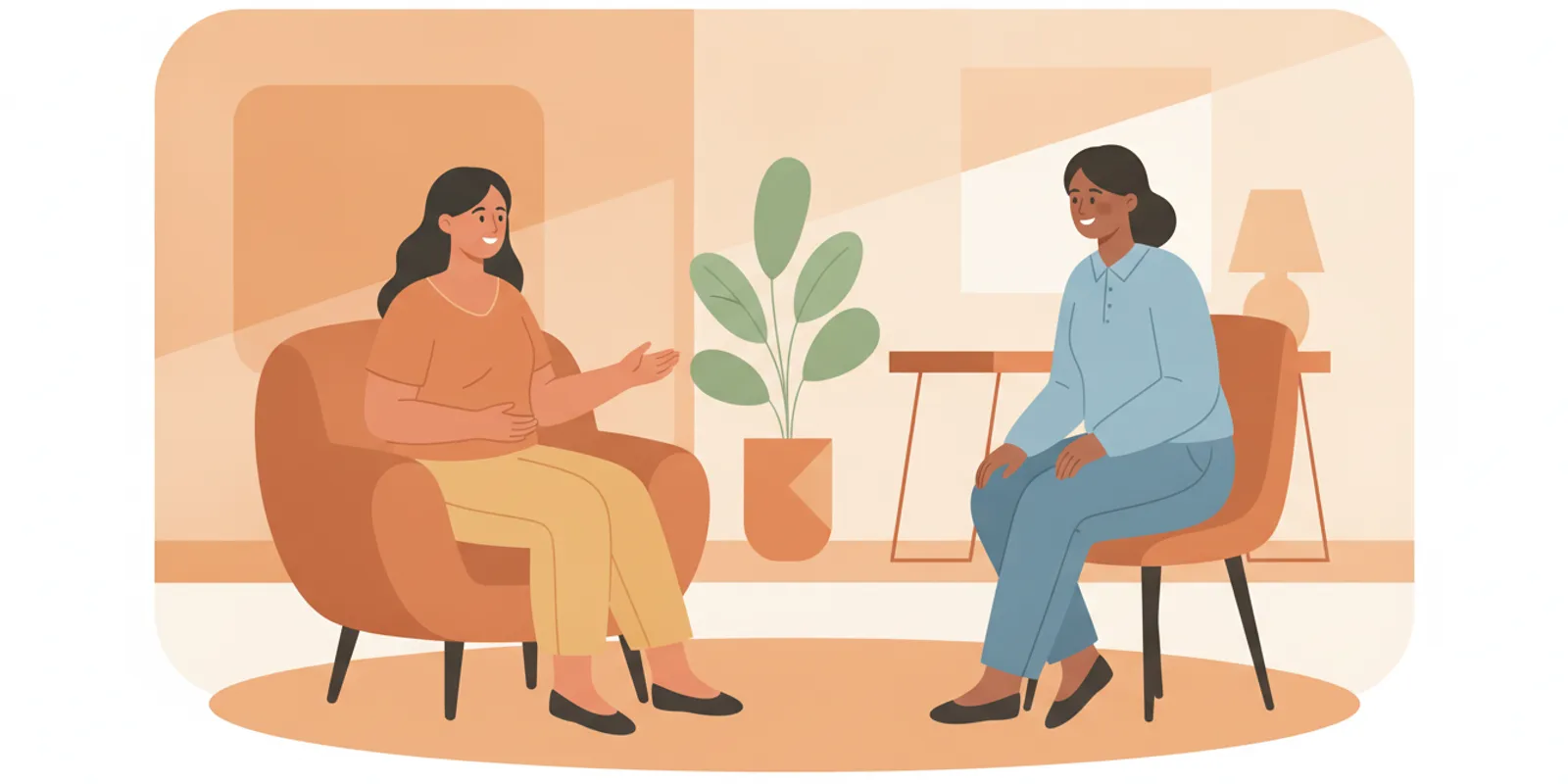
A first appointment usually begins with listening. The clinician will want to understand where you feel pain, when it began, how it has changed, and how it affects the parts of life that matter to you. This may include sleep, work, movement, exercise, relationships, or routine activities. The goal is to build a useful picture of your symptoms and health history, not to test how well you can describe pain.
Pelvic pain can have more than one contributing factor. Bladder, bowel, reproductive, muscle, and nerve-related concerns may overlap, so it can help to look at the wider pattern rather than assume one symptom has one simple cause. The practice describes its approach to chronic pelvic pain evaluation and treatment as individualized. An initial conversation may identify a reasonable direction, while some questions may need more time or additional evaluation.
A first visit does not mean you have to agree to a particular treatment. You can ask what a suggested step is meant to clarify, what choices you have, and whether you can take time before deciding. A plain-language conversation is part of making a plan that fits your concerns and health situation.
How can you prepare without making a second job of it?
You do not need a detailed diary or a complete medical timeline. A short note on your phone or a few lines on paper can make it easier to remember important details during an appointment. If you already have records or a current medication list, bring them if convenient; do not delay seeking care because you are still gathering paperwork.
- Timing: When did the pain start? Is it constant, occasional, or changing over time?
- Location and sensation: Where do you feel it? Is it aching, pressure, burning, sharp, or difficult to describe?
- Patterns: Does it seem connected with urination, bowel movements, activity, meals, sexual activity, or your menstrual cycle?
- What changes it: Does rest, movement, a particular position, or another factor seem to ease or worsen it?
- Related symptoms: Note urinary urgency, leakage, constipation, bowel changes, or other symptoms you think may be connected.
- What you have tried: List medicines, supplements, prior diagnoses, procedures, or other care, and whether anything helped or caused problems.
- Your priority: Identify one activity or concern you most want help addressing.
For example, “I have pain most evenings, and it gets stronger after I have been standing,” is useful even if you cannot explain why it happens. So is, “I am not sure what triggers it, but it is affecting my sleep.” A few clear observations are more useful than trying to self-diagnose or track every sensation.
A compact note might look like this: “Pain began several months ago; mostly low in my pelvis; comes and goes; I notice it after a long day; it sometimes affects sleep; I have not identified a reliable relief.” That summary does not need to explain the cause. It gives the clinician a starting pattern and makes room for follow-up questions. If bladder or bowel symptoms are also part of your experience, note when they occur in relation to the discomfort, without assuming one causes the other. If the pattern changes before the appointment, add just the change that seems important rather than rewriting your whole history.
If you have seen other clinicians or had previous tests, a brief summary can help connect the dots. You might note the approximate date, what was evaluated, and what you were told. If you do not remember a detail, say so. Bring a trusted person if you want support, and ask the office in advance if you have practical questions about the visit.
What questions might the clinician ask?
Questions may cover your general health, past diagnoses, medicines, prior surgery or injury, and relevant pregnancy or childbirth history. The clinician may also ask about bowel and bladder habits and whether symptoms change with particular activities. Some questions can feel personal. It is reasonable to ask why a detail matters, request clarification, or say that you would rather return to a subject later.
Try to describe the effect of the pain, not only its intensity. “I avoid long walks because the pressure gets worse,” gives a practical example. “It wakes me up twice a week,” conveys a different kind of impact. If you have trouble answering a question, you can say, “I have not noticed a pattern yet.” The conversation should make room for uncertainty.
Chronic pain may be difficult to explain, and people sometimes delay discussing it because of embarrassment or because they have been told symptoms are simply a normal part of aging. You deserve a respectful opportunity to talk about what you are experiencing. The practice's patient rights information can help you understand the importance of asking questions and participating in decisions about your care.
Will there be an examination or tests?
It depends on your symptoms, history, and the clinical question at hand. A first appointment may focus mainly on discussion. An examination or test may be considered when it could provide useful information, but no single set of steps is right for everyone. The clinician should explain what a proposed examination involves, why it may be helpful, and what the findings could mean for planning.
You can ask for an explanation before an examination begins. Tell the clinician if you have concerns about discomfort, privacy, or a previous experience that affects how you feel about an exam. You can ask about alternatives or whether it makes sense to pause and discuss the decision. If testing is proposed, ask what question it is intended to answer and whether the result could change the next step.
It can help to separate “what is being considered today” from “what might happen later.” You might hear that a test is one possibility if symptoms or findings point in a particular direction; that does not mean it is automatically necessary. If you leave uncertain about what was recommended, ask for the plan to be written down or explained another way.
How might care options be discussed?
The plan depends on what the evaluation suggests, your goals, and what is appropriate for your health. A discussion may include conservative approaches, medication, or an office-based option. Surgery is considered only when indicated; it is not the automatic result of asking for an evaluation. The practice emphasizes non-surgical options first and a whole-system view of pelvic health.
When an option is presented, ask what symptom or suspected contributor it is meant to address. You can also ask how it is used, what its possible benefits and limitations are, whether there are risks to consider, and how progress will be reviewed. If you prefer to wait, ask what to watch for and when to check in again. You are allowed to need time to think.
Care planning is not always a one-appointment decision. The first visit might establish the main concerns and what information is still needed. A later conversation may review findings and compare options. The practice's urogynecology care information explains the specialty context; it is background reading, not a substitute for an individualized discussion.
| Part of the visit | What it may involve | Question you can ask |
|---|---|---|
| Symptom conversation | Timing, location, patterns, related symptoms, and impact on daily life | Which details would be helpful to track? |
| Health history | Relevant diagnoses, medicines, procedures, and prior care | Would any previous records help answer a question? |
| Examination | A focused assessment if appropriate to your situation | What will this exam help you understand? |
| Testing | A selected test when it may clarify a specific clinical question | Could the result change the plan? |
| Next-step planning | Discussion of suitable options, questions, and follow-up | What are the alternatives, and when should we review progress? |
How can you make the conversation useful to you?
Start with the concern that matters most, especially if you are worried that time will run short. You could say, “The main thing I want help with is pain that keeps me from sleeping,” or, “I am concerned because this is different from what I usually feel.” That gives the clinician a clear place to begin.
Bring a short list of questions and mark the ones you most want answered. Useful questions include:
- What are the possible contributors you are considering?
- What do you recommend as the next step, and what is its purpose?
- What might the step show, and what will it not tell us?
- Are there alternatives, including waiting or taking a more conservative approach?
- What changes should I watch for, and when should I contact the office?
- Could you summarize the plan in writing?
If a medical term is unfamiliar, ask for a plain-language explanation. You can say, “Could you explain what that means for me?” or “I need a moment to think about that.” A good visit is a conversation, not a test of whether you can make a quick decision.
For more background, you can review the practice's conditions and treatment information and its patient resources. For general information about bladder and kidney health, the National Institute of Diabetes and Digestive and Kidney Diseases, part of the National Institutes of Health, provides public health information. General reading can help you prepare questions, but it cannot determine the cause of your own symptoms.
What should you know about care in Oak Lawn?
Pelvic Health Institute of Illinois is an independent, physician-owned subspecialty practice serving South and Southwest Suburban Chicagoland. It focuses on urogynecology, reconstructive pelvic surgery, and non-surgical anorectal care, and treats bladder, bowel, and pelvic floor concerns as connected parts of pelvic health where appropriate. Dr. Lisa L. Johnson is board-certified and fellowship-trained in urogynecology. The practice describes its approach as a continuing physician relationship, clear explanations, and non-surgical options first whenever possible.
For this article's subject, the key practical point is that an appointment is an opportunity to discuss your symptoms and options without assuming the cause in advance. You can learn more about Dr. Johnson's background, the Oak Lawn office, and the practice's care team. Use these pages for practice details and bring personal medical questions to a clinician.
How is the first visit different from follow-up?
The first visit often concentrates on your story, relevant health history, and deciding whether more information is needed. If an examination or test is appropriate, the clinician can explain what it may add. A follow-up may then focus on reviewing information, checking how symptoms have changed, and considering next steps. The sequence varies with each person's needs; there is no requirement that every question be resolved in one sitting.
You can make follow-up more useful by noting any meaningful changes since the first conversation. Instead of recording every day in detail, you might jot down when a symptom changed, an activity it affected, or a new question that came up. Bring the plan you were given and say which parts were clear or difficult to follow. If something did not work for you, that is relevant information, not a failure.
If you are unsure how to arrange a visit or what information to bring, the practice's consultation page is the starting point. For office information, use the Oak Lawn page linked above. If symptoms become severe or sudden, or are accompanied by concerning changes such as fever, fainting, or heavy bleeding, seek prompt medical attention rather than waiting for a routine appointment. For urgent symptoms, contact emergency services or a qualified healthcare professional.
Frequently asked questions
Do I need to know what is causing the pain before the appointment?
No. You can describe what you notice and what is difficult, even if you do not know how the symptoms fit together. Evaluation is an opportunity to discuss possible contributors and decide what questions should guide the next step.
Should I keep a symptom diary?
A diary is optional. A short note about timing, possible triggers, related bladder or bowel changes, and what helps may be enough to remind you of useful details. Do not worry about making a complete record or delaying an appointment until it is finished.
Will I have an examination during the first visit?
Not necessarily. Whether an examination is appropriate depends on your situation. Ask what it involves and why it is being considered, and share any concerns before proceeding so you can discuss the plan together.
Will I have to choose a treatment at the first visit?
No. The clinician may discuss possible next steps, but you can ask questions, request time, or clarify alternatives before making a decision. Some plans develop over more than one conversation.
Does chronic pelvic pain mean surgery is needed?
No. The appropriate plan depends on evaluation and individual circumstances. Non-surgical options are considered first when appropriate, and surgery is considered only when indicated.
What should you remember?
A first visit is a chance to explain what you are experiencing, ask what an evaluation step is meant to clarify, and discuss options at a pace that lets you understand them. A few notes and your most important questions are enough to get the conversation started, and you can ask for the plan in plain language.
Request a Consultation to discuss a first visit with Pelvic Health Institute of Illinois.